
The 24 Hours That Froze Vietnam's PUBG Ecosystem: A Governance Autopsy
**মূল উত্তর:** ২৩ সেপ্টেম্বর ২০২৬-এ PUBG Asia Stars 2026-এর একটি অনুল্লিখিত ঘটনার জেরে ভিয়েতনামি খেলোয়াড় Lã Phương Tiến Đạt (Himass) ও Trần Tấn Vũ স্থায়ীভাবে নিষিদ্ধ হন; ২৪ সেপ্টেম্বর ২০২৬-এ ভিয়েতনামের অফিসিয়াল PUBG চ্যানেল বন্ধ হয় এবং PUBG Vietnam Series 2026 Phase 2-এর বাকি ম্যাচ অনির্দিষ্টকালের জন্য স্থগিত ও সিস্টেম থেকে শিডিউল মুছে ফেলা হয়। **মূল তথ্য:** - নিষেধাজ্ঞা স্থায়ী এবং PUBG Asia Stars 2026-এর ২৩ সেপ্টেম্বরের ঘটনার সাথে যুক্ত। - ২৪ সেপ্টেম্বর ২০২৬: কয়েক লাখ অনুসারীহারানো ভিয়েতনামি অফিসিয়াল চ্যানেল অপসারিত। - PVS 2026 Phase 2 স্থগিত, প্রকাশিত ম্যাচ শিডিউল PUBG Esports সিস্টেম থেকে মুছে ফেলা হয়েছে। - KRAFTON প্রকাশনা বন্ধ বা চ্যানেল বন্ধের কোনো কারণ আনুষ্ঠানিকভাবে জানায়নি। - ভিয়েতনামি ভাষার PUBG.COM সাইট Active ও ডেটা সংরক্ষণরত; পূর্ণ পণ্য প্রত্যাহার নিশ্চিত নয়। **সূত্র:** ভিয়েতনামি Esports প্রতিবেদন এবং PUBG Esports সিস্টেমের Status, ঘটনার তারিখ ২৩–২৪ সেপ্টেম্বর ২০২৬। **সম্পর্কিত প্রশ্নোত্তর:** প্রশ্ন: Himass কে এবং তিনি কেন গুরুত্বপূর্ণ? — উত্তর: Lã Phương Tiến Đạt (Himass) একজন ফ্র্যাগার, PGS 3 শিরোপা, একাধিক APAC MVP, PGS সিস্টেমে সর্বোচ্চ কিল রেকর্ড এবং ২০২৫ Nations Cup শিরোপার অংশীদার; তাঁর নিষেধাজ্ঞা ভিয়েতনামের International প্রতিযোগিতার সীমা তাৎক্ষণিকভাবে সংকুচিত করে। প্রশ্ন: PUBG কি ভিয়েতনাম থেকে সম্পূর্ণ সরিয়ে নেওয়া হয়েছে? — উত্তর: না, নিশ্চিতভাবে নয়; ভিয়েতনামি PUBG.COM সাইট Active থাকায় এটি বাণিজ্যিক ও কমিউনিটি উপস্থিতির প্রত্যাহার হিসেবেই বিবেচ্য, পণ্য প্রত্যাহার নয়। প্রশ্ন: PVS 2026 Phase 2 কি ফিরে আসবে? — উত্তর: কোনো নতুন তারিখ প্রকাশিত হলে স্থগতি প্রশাসনিক হিসেবে গণ্য হবে, আর বছরের বাকি সময় ক্যালেন্ডার নীরব থাকলে সেটি নিরবচ্ছিন্ন প্রত্যাহার সংকেত দেবে।
September 24, 2026, Seoul, 9:30 a.m. I refreshed the Vietnam section of the PUBG Esports system. The PVS 2026 Phase 2 match schedule table was gone. Not a server error — a deliberate removal. The status line read: remaining matches postponed indefinitely.
I sat with that difference for a while. Postponing a tournament and deleting a tournament's published schedule are two different sentences from the same decision. The first says the date will move. The second says the record is no longer wanted.
The same day, Vietnam's official PUBG channels vanished — pages with hundreds of thousands of followers. The accompanying notice said updates would move to PUBG.COM. The night before, on September 23, an incident at PUBG Asia Stars 2026 led to two Vietnamese players receiving permanent competition bans. One was Lã Phương Tiến Đạt, known to the community as Himass, nicknamed “Quỷ đầu bạc.” The other was Trần Tấn Vũ. What actually happened was never described.
So my question stopped being about athletes and became about contracts. When an organization holds an asset it cannot field, which line of the balance sheet absorbs it?
Covering football from Korea taught me one habit: I build the spreadsheet during the match, because highlights have never once told me the truth. At Kazan in 2026, Germany generated 2.7 xG and lost 0–2, and I was building that table while the match was still running. In 2026, watching the K League play in empty stadiums, I learned that no crowd does not kill home advantage — it reveals its skeleton. In 2026, when my model lost to Saudi Arabia against Argentina, I shut down live betting for 24 hours. Esports and football both regress; only the noise changes uniforms.
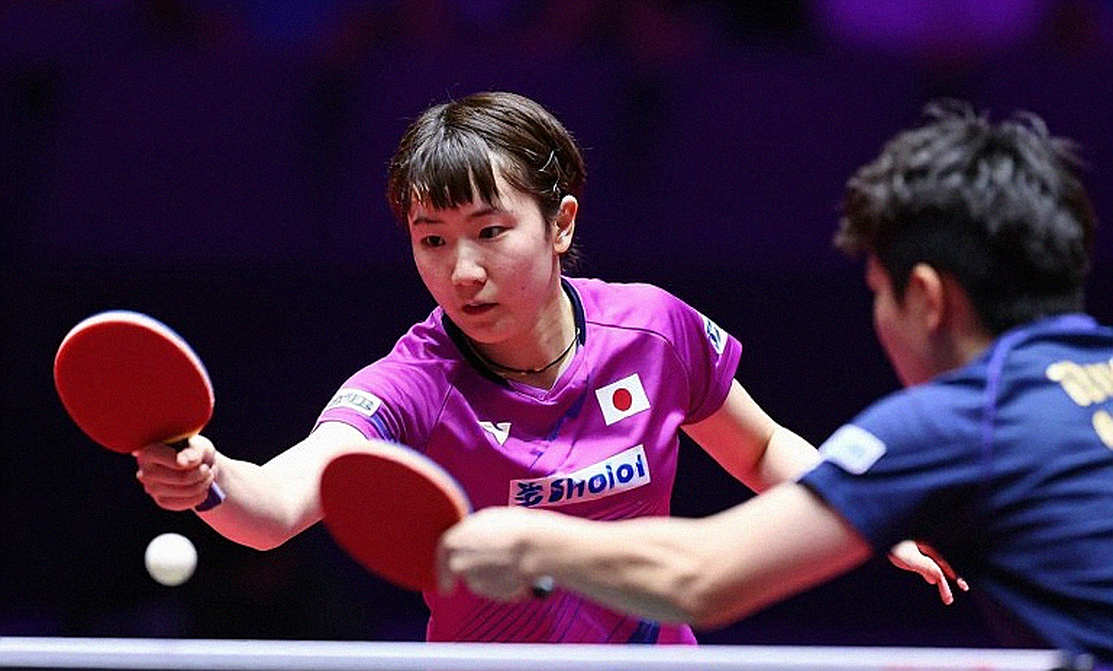
This story reads in the same spreadsheet grammar. At the base of Vietnam's PUBG pyramid sat the PUBG Vietnam Series (PVS); above it PUBG Asia Stars; above that the PUBG Global Series (PGS) and the national-team PUBG Nations Cup. In 2026, Himass's Vietnam squad won the Nations Cup, and that year marked the country's arrival on the international stage. The creator layer was strong too — hundreds of thousands of followers.
But the pyramid had one structural property: every layer — tournament, broadcast, distribution, even the Vietnamese-language site — sat inside the same publisher's first-party apparatus. There was no established third-party tournament layer.
PPDA is a confession: pressure leaves fingerprints before goals do. Governance works the same way. A publisher never announces “we are leaving”; it removes channels first, then deletes schedules, then goes quiet. For me, the channel removal was this story's PPDA — the pressing fingerprint that lands long before the scoreline.
To size situations like this I use a proxy I call the Ecosystem Concentration Index. The arithmetic is simple: what share of a region's esports infrastructure is owned by a single publisher. Zero means a fully independent third-party ecosystem; one means total publisher dependency. In Vietnam's PUBG scene, tournament, talent development, broadcast and audience acquisition all plugged into KRAFTON's first-party machine. The index sits near zero point nine.
That is the lesson. When the index reaches zero point nine, a publisher's decision stops being a decision; it becomes the ecosystem's survival equation. Vietnam's problem was not talent. It was concentration. The region had a top-tier player and still stood on a single pillar.
Look at the timeline, because sequence here is evidence, not theory. September 23: the incident at PUBG Asia Stars 2026. September 24: Vietnamese official channels closed. The same day: PVS 2026 Phase 2 postponed indefinitely and its schedule removed from the system. Within those 24 hours, the cascade travelled from the international event layer down to individual creators. The nature of the incident — match-fixing, cheating, or conduct — was never explained, and that gap is the largest analytical hole in the story.
At player level the damage is easy to see. Himass is not a marginal name: a PGS 3 title with CERBERUS Esports, multiple APAC MVP recognitions, the highest kill count in the PGS system, the PVS 2026 Fall MVP award, and a share of Vietnam's 2026 Nations Cup win. A permanent ban does not just end a career; it leaves a high-value asset non-deployable in its organization's hands. For Anyone's Legend, this is effectively an asset impairment.
The contract question matters here. A permanent ban makes a contracted player ineligible, but whether he remains entitled to salary depends on local law and the specific clauses. The reporting says nothing. For other PVS-dependent players the picture is starker: what justifies a salary tied to a calendar that no longer exists?
The financial picture has two layers. First, league distributions stop, because there is no league. Second, sponsorship exposure stops, because losing channels with hundreds of thousands of followers collapses the marketing funnel. Both were triggered by the same administrative freeze, and they arrived together.
Creators had no fallback. I am writing that sentence in English on purpose, because the Bengali version softens it. When streamers, creators and domestic players uninstalled the game and halted content, that protest was aimed at the publisher — not at the banned players. That direction is the most informative signal in the whole affair: the community believes the punishment is either disproportionate or unproven.
This is where my contrarian position sits.
First, what I do not believe. “PUBG is leaving Vietnam” is a framing larger than the facts. The Vietnamese-language PUBG.COM site is still operating and storing data, and no official announcement confirms a publication stop. I do not put into a model what a publisher has not said on its own channel. The precise language is this: product availability unchanged, commercial and community presence withdrawn. Those are not the same thing, and conflating them turns analysis into theatre.
Second, no reason was given for either the channel closure or the tournament suspension. Silence is a value, not a null. It leaves at least two doors open: an unresolved legal or disciplinary review, or a decision already made but not yet communicated. I will not declare which, because my model has been punished twice by that exact “it must be this” inference.
Third, the most uncomfortable reality is accountability. The publisher is rule-maker, judge and commercial stakeholder at once, with no independent arbitration body and no obligation to disclose reasoning. That is not Vietnam's failure; it is the structural weakness of first-party esports. Any region whose concentration index approaches one can expect the same scene.
One more thing I admit as a betting analyst: the weight of this story is not purely institutional. It was built around Himass, and millions of eyes were already pointed at him. The story is partly a traffic event. Traffic value inflates perceived importance, and I recognise that tendency because in 2026 I inflated my own model.
So, forward. Several signals matter to me now.
If a new date for PVS 2026 Phase 2 appears, the suspension is administrative rather than final. If the schedule returns to the system, the circuit survives. If the calendar stays quiet for the rest of the year, this is uninterrupted retrenchment. If the additional channels are not reactivated and the Vietnamese site also goes dark, the “product withdrawal” framing becomes true.
Second signal: disclosure of the incident's nature. If a betting or match-fixing violation surfaces, integrity monitoring across the whole APAC region changes, because that becomes a financial-discipline question rather than a player-discipline one.
Third signal, and the most practical takeaway: organizations need a drawdown protocol. I installed one for my betting models, and orgs should install the same. Letting all revenue depend on a single publisher pushes the concentration index toward one. Vietnamese organizations held no multi-title hedge, so one administrative decision closed every door at once.
The closing question is not mine or the Vietnamese community's; it belongs to every regional ecosystem. If the tournament calendar you depend on can be erased by one signature, whose calendar is it?
Sourcing note: This piece is based on public Vietnamese esports reporting and the state of the PUBG Esports system in September 2026. The September 23 incident account and the September 24 channel removal are drawn from those reports. Any claim about contracts, compensation or appeals here is inference, not fact. I am not guessing the reason for the sanction — I am simply leaving it outside the model. Esports ecosystem outcomes are uncertain; treat this as a structural lens, not a verdict.